Move-Out Cleaning Checklist: What Landlords Check
Move-Out Cleaning, Edmonton Rentals, Damage Deposits
What Edmonton Landlords Actually Check in a 2026 Move-Out Inspection (And How to Keep Your Deposit)
If you’re staring at your place wondering how on earth you’re supposed to clean “everything” before you hand over the keys, take a breath. Most Edmonton landlords are not walking in with a giant, impossible checklist. They’re walking in with a mental list of a few specific spots that tell them, within about 15 minutes, whether the home is genuinely clean—or whether they’ll be dipping into your damage deposit.
The good news: when you know what landlords really look at—and in what order—you can stop over-cleaning the wrong things and start putting your energy where it actually protects your money. As a professional house cleaning company in Edmonton, HeyMaid Cleaning Services sees these inspections up close every week, from downtown condos to family homes in Windermere, Riverbend, Terwillegar, Sherwood Park, and St. Albert. This guide pulls back the curtain so you can clean smart, not endlessly.
How Move-Out Inspections Really Work in 2026
Under Alberta’s Residential Tenancies Act, landlords must do written move-in and move-out inspection reports, usually with you present, and they can only deduct from your damage deposit for things like unpaid rent, damage beyond normal wear and tear, or extra cleaning because the place was left unusually dirty. They can’t deduct for ordinary wear—like light scuffs on walls or gently worn carpet—from years of normal living.
The inspection itself is surprisingly quick. In most Edmonton rentals, it lasts about 15 minutes. Landlords aren’t scrubbing corners with a toothbrush; they’re scanning the high-impact areas that tell them whether the home has been respected and cleaned properly. Almost every time, that walk-through starts in the kitchen—and very often, right at the oven.
💡 Pro Tip: A genuinely clean home plus a properly completed inspection report are your strongest protections for getting your full deposit back under Alberta law.
The 6 Things Landlords Actually Check, in Order
1. The Oven (Especially the Inside of the Door Glass)
If there’s one place to over-deliver, it’s here. Many landlords walk straight to the oven, open the door, and look through the glass. If it’s brown, streaky, or baked-on with grease, it sends a clear message: the kitchen hasn’t been deep cleaned, and they’ll likely charge for extra cleaning time. If it’s clear and shiny, it immediately lowers their guard about the rest of the unit.
Spend extra time on:
The inside of the oven door glass (your number one deposit-saver)
Racks and side walls, especially burnt-on spills
The stovetop, including around burner knobs and edges
Deposit Killer #1: A greasy, streaked oven door glass is one of the most common reasons landlords feel justified charging for extra cleaning.
2. The Fridge (Inside, Seals, Drawers, and Under the Bottom Shelf)
Next stop: the fridge. Most landlords pull open the main door, glance at the shelves, and then check the “hidden grime” zones. They’re looking for sticky residue, crumbs, and lingering smells more than perfection.
Wipe all shelves and walls, paying attention to old spills and stains.
Pull out crisper drawers and wash underneath; this is often where gunk hides.
Clean the rubber door seals where crumbs and mold can build up.
A fresh-smelling, empty fridge with clean seals and drawers tells your landlord you took care of the space right to the end of your tenancy.
3. The Bathroom (Grout, Caulking, Shower Glass, Behind the Toilet)
After the kitchen, landlords almost always head to the bathroom. They know this is where mold, soap scum, and hard water build up—and where tenants often run out of time. They’re not expecting brand-new tile, but they are expecting that you’ve removed visible grime and mildew.
Scrub grout lines so they look clean, not gray or orange with soap scum.
Clean around caulking where mildew tends to sit (especially corners).
Polish shower glass or doors to remove water spots and soap film.
Wipe behind and around the toilet base—landlords always peek there.
Deposit Killer #2: Dirty bathroom grout and moldy caulking are another major reason landlords bring in professional cleaners and deduct from deposits.
4. Inside Cabinets and Drawers (Including Under the Sink)
Once the big-ticket areas look good, landlords start opening doors and drawers. They’re checking that you didn’t just clean what’s visible and leave crumbs and residue behind where they’ll have to clean before the next tenant moves in.
Kitchen cabinets and drawers: wipe out crumbs, spills, and sticky spots; remove old shelf liners unless they’re pristine and clearly intentional.
Bathroom vanity: clear hair, toothpaste, and product residue from shelves and drawers.
Under-sink areas: wipe up old leaks, cleaning product drips, and dust.
5. Baseboards, Corners, and Behind Open Doors
Now the landlord starts scanning the “edges” of the home—where dust and pet hair gather and where quick cleans often skip. This is a fast visual check, but it makes a big difference to how clean the entire place feels.
Wipe baseboards in every room, especially along hallways and behind doors.
Vacuum or dust corners where cobwebs and dust bunnies collect.
Don’t forget the wall and floor area behind doors when they’re fully open.
6. The Range Hood and Filter
Finally, many landlords look up at the range hood. A greasy hood and clogged filter tell them cooking smoke and grease haven’t been dealt with, which can damage cabinets and walls over time. A quick check here can tip them toward either “no problem” or “we’ll need extra cleaning.”
Degrease the underside of the hood and the control panel.
Remove the metal filter and wash it in hot, soapy water (or as per the manufacturer’s instructions).
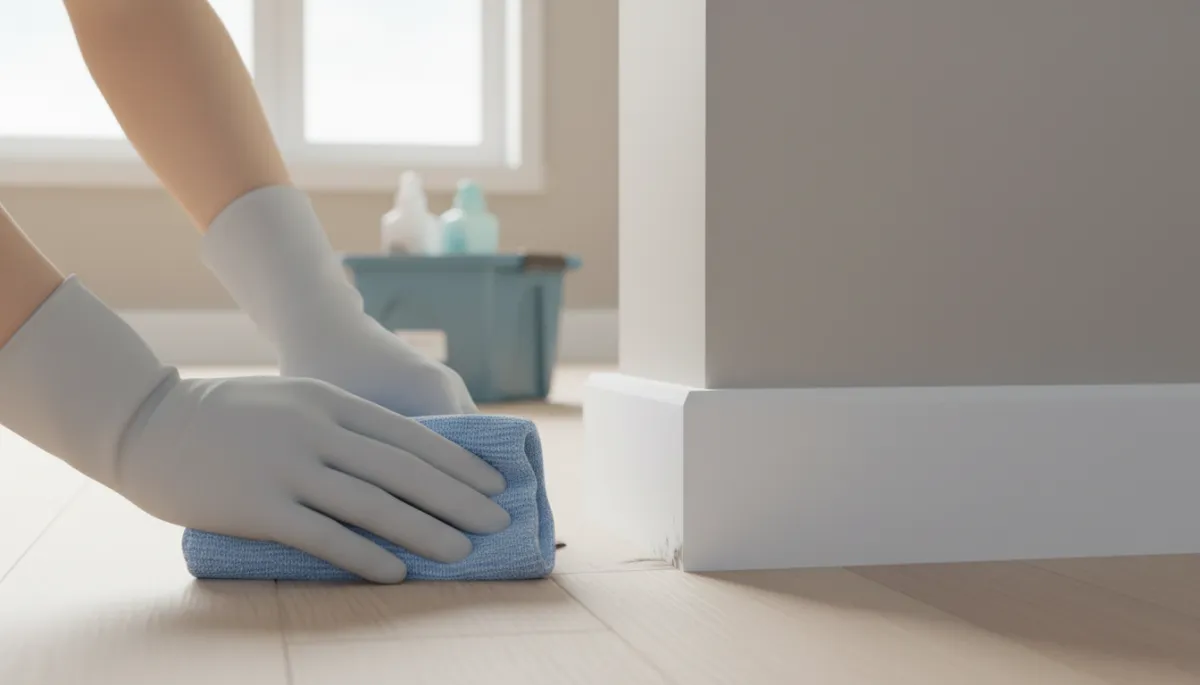
Clean edges, corners, and baseboards make the whole home feel inspection-ready.
4 Things You’re Probably Over-Cleaning
When you’re stressed about your deposit, it’s easy to spend hours on areas that your landlord barely glances at. Here are four spots many tenants overdo:
Ceilings: A quick look for cobwebs or smoke stains is enough. You don’t need to scrub every square inch unless there’s visible damage or buildup.
Inside the dishwasher: As long as there’s no mold, food chunks, or strong odor, a light wipe is fine. Most landlords don’t inspect it in detail unless there’s a smell.
Inside the washer and dryer: Wipe the rims, remove lint, and make sure they’re empty. Deep-scrubbing the drum usually isn’t necessary unless something obvious has spilled or stained it.
Carpets: Most Edmonton landlords expect carpets to be professionally steam cleaned between tenants, or they handle it themselves. You should vacuum thoroughly and spot-clean any obvious stains, but you don’t need to spend your last night shampooing every room unless your lease specifically requires it.
Cleaning Order That Saves You 30% of Your Time
Professional cleaners follow a simple order that keeps them from re-doing work. If you copy this, you’ll save time and frustration:
Top to bottom: Start with high surfaces (tops of cabinets, shelves, light fixtures), then move down walls, counters, and finally floors. Dust and crumbs will naturally fall as you go.
Dry to wet: Dust, sweep, and vacuum before you bring in sprays, mops, and buckets. Wet dirt just smears around and slows you down.
Room by room: Fully finish one room before starting the next. It’s easier on your brain and lets you see progress, which really helps when you’re tired from packing.
Floors last: Once everything above them is clean, vacuum and mop your way out of the home so you’re not tracking dust back in.
💡 Quick Win: If you’re short on time, tackle the oven door glass and bathroom grout first, then the fridge, cabinets, and baseboards. Those are the areas most likely to affect your deposit.
Alberta Damage Deposits and Your Rights (2026)
It also helps to know what your landlord can—and can’t—do with your damage deposit. In Alberta, your deposit can’t be more than one month’s rent at the start of your tenancy, and it has to be held in a trust account. For 2026, the government-set interest rate on deposits is 0%, so there’s no extra interest owed, but the core protections under the Residential Tenancies Act still apply.
When you move out, your landlord has 10 days to either return your full deposit or send you an itemized list of any lawful deductions plus the remaining balance. They can only deduct for:
Unpaid rent or other agreed-upon charges in your lease
Damage beyond normal wear and tear (for example, a broken door, not gentle scuffing)
Extra cleaning because the home was left unusually dirty, not just lived-in
Importantly, to legally deduct for cleaning or damage, landlords must have completed written move-in and move-out inspection reports. Those inspections, plus clear photos, protect both of you if there’s a disagreement later. If you feel your deposit has been handled unfairly, you can take the issue to the Residential Tenancy Dispute Resolution Service (RTDRS) or court—but in practice, leaving the place genuinely clean is the easiest way to avoid that stress altogether.
When to Call in a Professional Move-Out Clean
Not everyone has the time, energy, or physical ability to deep clean an entire home right after packing an entire life into boxes. If your schedule is tight, you’re moving with kids or pets, or you just know cleaning isn’t your strength, bringing in a move-out cleaning team can be less expensive than losing a big chunk of your deposit.
HeyMaid Cleaning Services specializes in move-out cleans across Edmonton and nearby areas—downtown high-rises, Windermere and Riverbend family homes, Terwillegar townhouses, and places in Sherwood Park and St. Albert. Our cleaners are insured, background-checked, and trained to focus on the exact inspection points you’ve just read about. With a 5.0 rating across 50+ reviews and pay-after service, you don’t have to worry about paying up front and hoping for the best.
Whether you clean it yourself or bring in help, the goal is the same: a home that feels fresh, cared for, and ready for the next person to move in—so your landlord has no reason to hold back your deposit.
A Calm Final Word Before You Hand Over the Keys
Moving is a lot—logistics, emotions, money, and a hundred tiny decisions. Your move-out clean doesn’t have to be another overwhelming mystery on that list. Focus on the six areas landlords actually check, in the order they walk through them. Give a little extra love to the oven door glass and bathroom grout. Follow a smart cleaning order so you’re not re-doing work. And remember that Alberta’s rules are there to protect you from unfair deductions for normal wear and tear.
Moving is stressful enough; your deposit shouldn’t be the thing keeping you up at night. If you’d rather hand the move-out clean to a team that knows exactly what landlords check, you can book at heymaid.ca whenever you’re ready.